
ECE2026 Overview


Join us in London (and online) for ECE2026!

July 09–13, 2026 | SOAS & University College London, UK & Online

Welcome to The 14th European Conference on Education (ECE2026), held in partnership with Birkbeck, University of London, the IAFOR Research Centre at the Osaka School of International Public Policy (OSIPP) at The University of Osaka, and in affiliation with University College London (UCL).
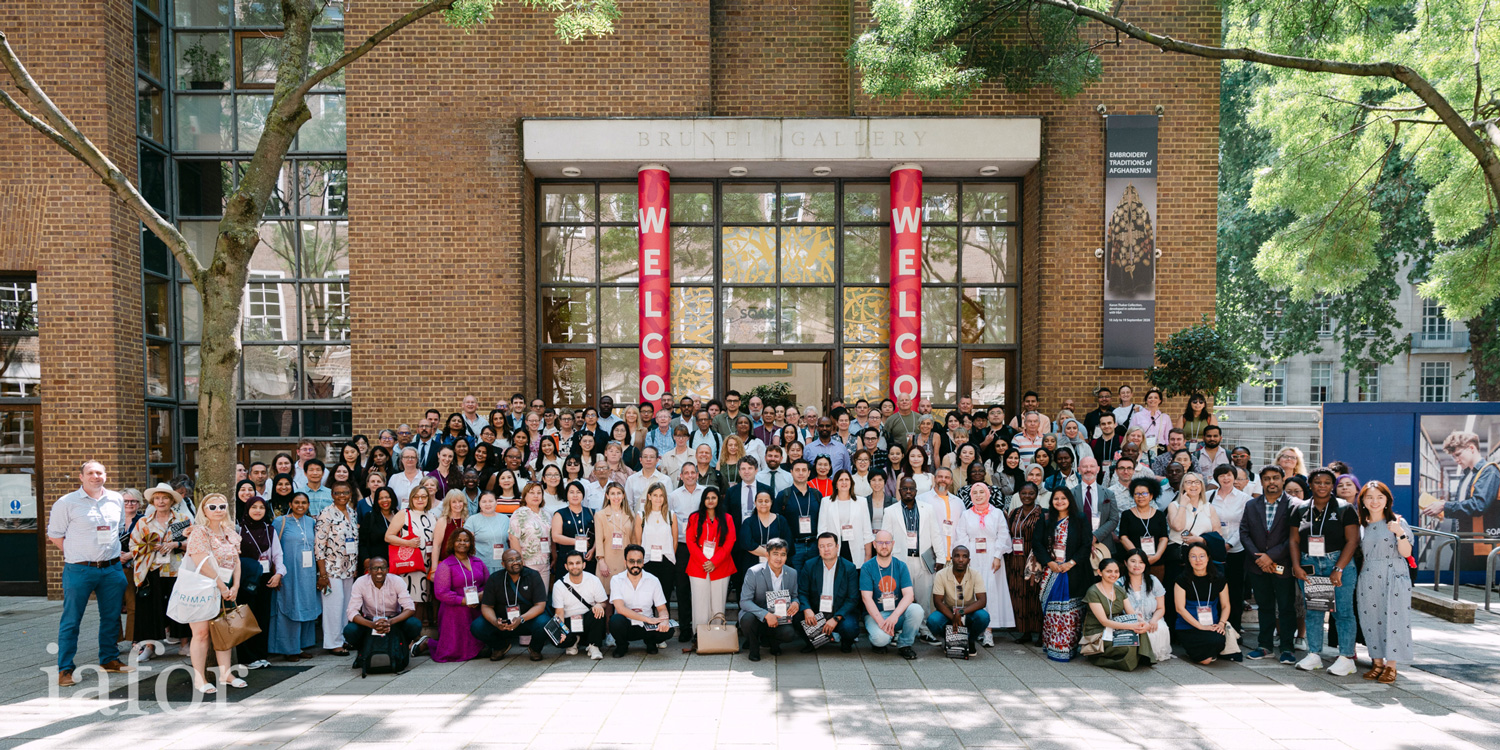
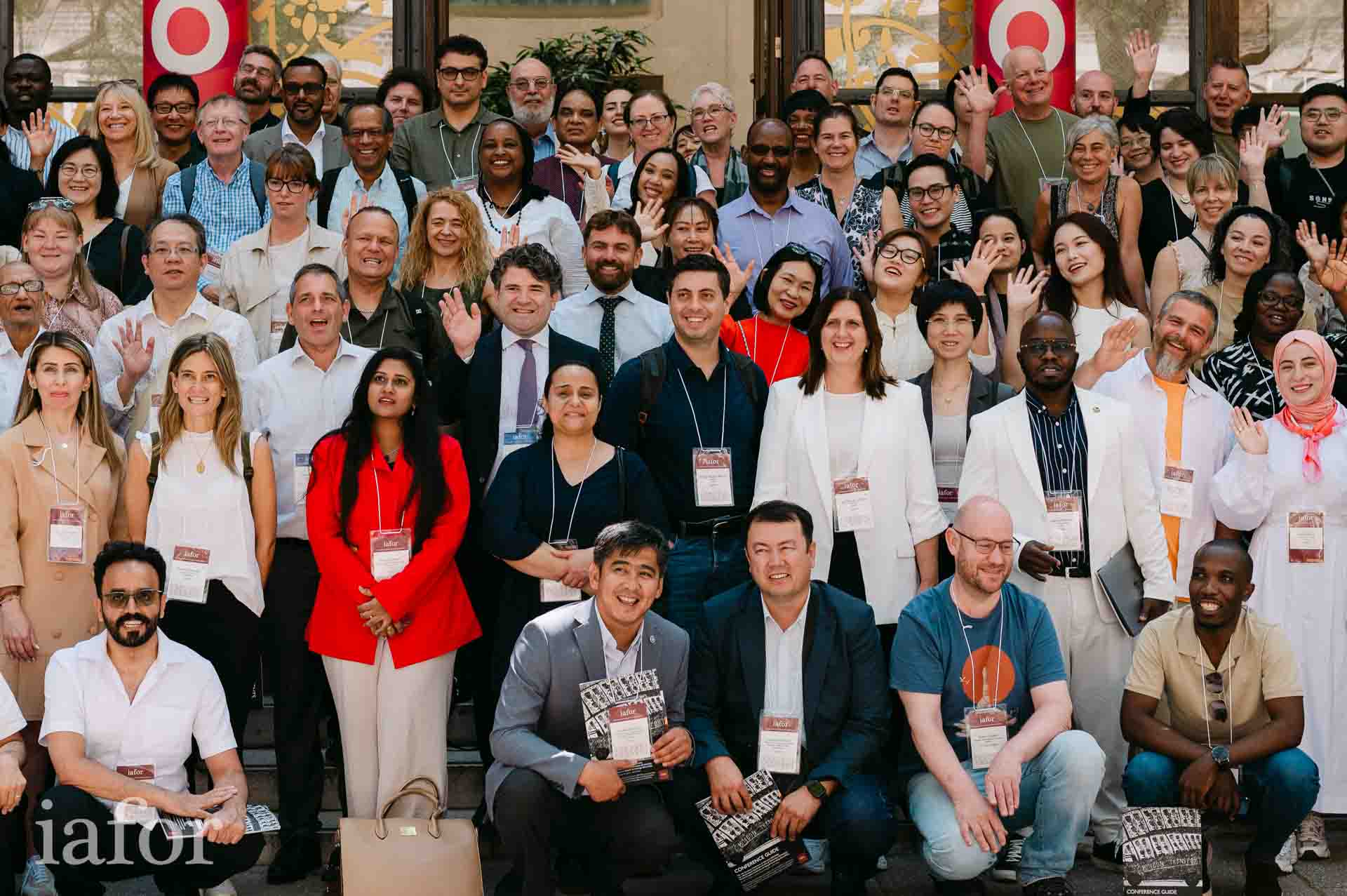
ECE2026 encourages academics and scholars to meet and exchange ideas and views in an international forum stimulating respectful dialogue. This event will afford an exceptional opportunity for renewing old acquaintances, making new contacts, networking, and facilitating partnerships across national and disciplinary borders.

Since its founding in 2009, IAFOR has brought people and ideas together in a variety of events and platforms to promote and celebrate interdisciplinary study, and underline its importance. IAFOR continues to engage in many cross-sectoral projects across the world, including those engaging leading universities (Virginia Tech, University College London (UCL), Singapore Management University (SMU), University of Belgrade, Lingnan University, University of Barcelona, and the University of Hawai’i), think tanks, research organisations and agencies (the East-West Center, The Center for Higher Education Research, The World Intellectual Property Organization), and collaborative projects with governments, international governmental organisations (Government of Japan through the Prime Minister’s Office, the United Nations in New York), and media agencies (The Wall Street Journal, JWT, HarperCollins).

With the IAFOR Research Centre at The University of Osaka, we have engaged in a number of interdisciplinary initiatives we believe will have an important impact on domestic and international public policy conversations and outcomes.

IAFOR's unique global platform facilitates discussion around specific subject areas, with the goal of generating new knowledge and understanding, forging and expanding new international, intercultural and interdisciplinary research networks and partnerships. We have no doubt that ECE2026 will offer a remarkable opportunity for the sharing of research and best practice and for the meeting of people and ideas.

The 14th European Conference on Education (ECE2026) is an interdisciplinary conference held alongside The 14th European Conference on Arts & Humanities (ECAH2026) and The 6th European Conference on Aging & Gerontology (EGen2026). Registration for any of these conferences will allow delegates to attend sessions in the others.

We look forward to seeing you in London and online!

– The Conference Programme Committee


Key Information
  • Venue & Location: SOAS & University College London, United Kingdom & Online
  • Dates: Thursday, July 09, 2026 ​to Monday, July 13, 2026
  • Early Bird Abstract Submission Deadline: February 13, 2026*
  • Final Abstract Submission Deadline: April 17, 2026
  • Registration Deadline for Presenters: May 22, 2026

*Submit early to take advantage of the discounted registration rates. Learn more about our registration options.

Back to Top


Speakers

To be announced

  • Anne Boddington
    Anne Boddington
    IAFOR, Japan
  • Dorina Cadar
    Dorina Cadar
    University of Sussex, United Kingdom
  • Paul Chamberlain
    Paul Chamberlain
    Royal College of Art, United Kingdom
  • Evangelia Chrysikou
    Evangelia Chrysikou
    University College London (UCL), United Kingdom
  • Alfonso J. García-Osuna
    Alfonso J. García-Osuna
    Hofstra University, United States
  • Lee Jerome
    Lee Jerome
    Middlesex University, United Kingdom
  • Allison Littlejohn
    Allison Littlejohn
    University College London (UCL), United Kingdom
  • James W. McNally
    James W. McNally
    University of Michigan & NACDA Program on Aging, United States

Back to Top


Featured Presentations

To be announced

  • The Forum
    The Forum
    Come share your thoughts and experiences as global educators and researchers.
  • Don’t Let AI Change What It Means to Teach
    Don’t Let AI Change What It Means to Teach
    Keynote Presentation: Allison Littlejohn

Back to Top


Conference Committees

The International Academic Board (IAB)

Professor Anne Boddington, IAFOR, Japan (IAB Chair)
Dr Joseph Haldane, The International Academic Forum (IAFOR), Japan
Professor Jun Arima, IAFOR & The University of Tokyo, Japan
Professor Virgil Hawkins, IAFOR Research Centre & The University of Osaka, Japan
Mr Lowell Sheppard, IAFOR & Never Too Late Academy, Japan

Professor Umberto Ansaldo, VinUniversity, Vietnam
Dr Susana Barreto, University of Porto, Portugal
Professor Grant Black, Chuo University, Japan
Dr Evangelia Chrysikou, The Bartlett School of Sustainable Construction, University College London, United Kingdom
Professor Donald E. Hall, Binghamton University, United States
Professor Brendan Howe, Ewha Womans University, South Korea & The Asian Political and International Studies Association (APISA)
Dr James W. McNally, University of Michigan, United States & NACDA Program on Aging

Back to Top


Conference Programme Committee

Dr Rena Alasgarova, Baku Oxford School, Azerbaijan
Professor Emerita Doris Brigitte Ash, University of California Santa Cruz, United States
Professor Anne Boddington, Executive Vice-President and Provost, IAFOR, Japan
Dr Evangelia Chrysikou, Bartlett School of Sustainable Construction, University College London, United Kingdom
Dr Mehmet Demir, University of Birmingham, United Kingdom
Professor Jean-Marc Dewaele, Birkbeck, University of London, United Kingdom
Dr Joseph Haldane, IAFOR and The University of Osaka, Japan, & University College London, United Kingdom (Conference Co-chair)
Dr Takoua Jendoubi, University College London, United Kingdom
Dr Rana Khalife, University College London, United Kingdom
Dr Jacqueline Lottin, Higher Colleges of Technology, United Arab Emirates
Dr David Mallows, University College London Institute of Education, United Kingdom
Dr Mauryn Chika Nweke, University College London, United Kingdom
Professor Andrea Révész, University College London Institute of Education, United Kingdom
Dr Ian Scott, University College London, United Kingdom
Dr Marcelo Staricoff, University of Sussex, United Kingdom

Back to Top


Conference Review Committee

Dr Akeem Adekunle, University of Lagos, Nigeria
Dr Samra Afzal, National University of Modern Languages, Pakistan
Dr Pallavi Aggarwal, University of Missouri-Sanit Louis, United States
Dr Trinette Chang-colina, University of the East Manila, Philippines
Dr Hazel Diaz, Central Luzon State University, Philippines
Dr Angela Giattino, University of Oxford, United Kingdom
Dr Wendy Hiew, Universiti Malaysia Sabah, Malaysia
Dr Gregory Katsas, American College of Greece, Greece
Dr Aderinsola Kayode, Trinity University, Nigeria
Dr John Linga, Tamagawa Academy (K-12) & University, Japan
Dr Brooke Marton Mcgowin, Virginia Tech, United States
Dr Hiea Mizyed, Emirates College of Advanced Education, United Arab Emirates
Dr Obianuju Okeke-uzodike, Durban University of Technology, South Africa
Dr Nato Pachuashvili, International Black Sea University, Georgia
Dr Kornkanya Ratchaponsit, Phuket Rajabhat University, Thailand
Professor Alexandra Sofia Rodrigues, Universidade NOVA de Lisboa, Portugal
Dr Robbie Lee Sabnani, National Institute of Education, Nanyang Technological University, Singapore
Dr Craig Sims, Curtin University, Australia
Professor Rainer Telesko, FHNW University of Applied Sciences and Arts Northwestern Switzerland, Switzerland
Dr Ying Wu, University of Dundee, United Kingdom


IAFOR's peer review process, which involves both reciprocal review and the use of Review Committees, is overseen by the Conference Programme Committee under the guidance of the International Academic Board (IAB). Review Committee members are established academics who hold PhDs or other terminal degrees in their fields and who have previous peer review experience.

If you would like to apply to serve on the ECE2026 Review Committee, please visit our application page.

Back to Top


IAFOR's Conference Themes for 2025-2029

IAFOR Themes 2025-2029
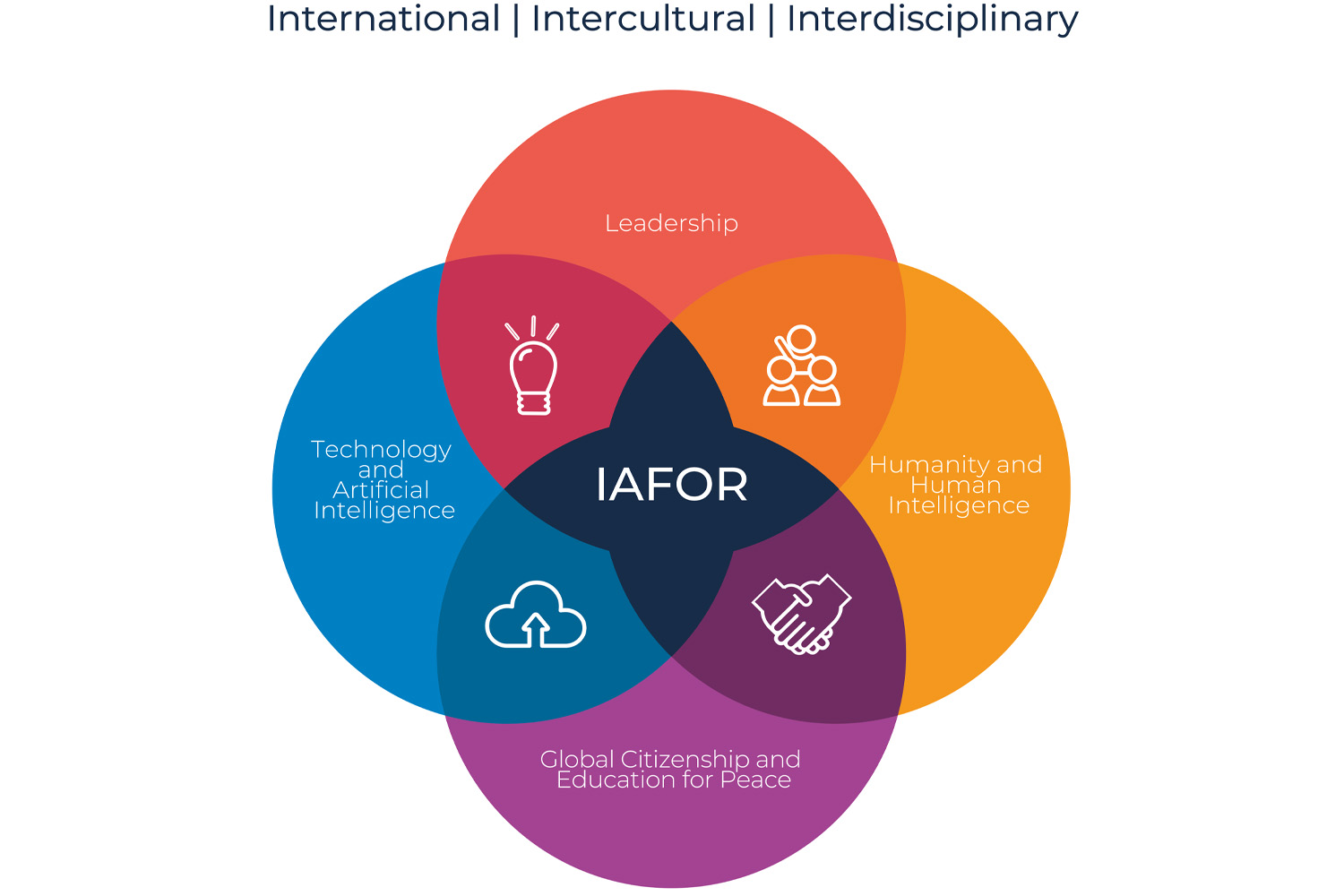
Our selected themes for 2025-2029 bring together ideas and encourage research and synergies in the following areas:

  • Technology and Artificial Intelligence
  • Humanity and Human Intelligence
  • Global Citizenship and Education for Peace
  • Leadership
  • Our four themes can be seen as standalone themes, but they are also very much in conversation with each other. Themes may be seen as corollaries, complementary, or in opposition/juxtaposition with each other. The themes can be considered as widely as possible and are designed, in keeping with our mission, to encourage ideas across the disciplines.


    IAFOR Research Centre (IRC) – “Innovation and Value Initiative”

    The IAFOR Research Centre (IRC) is housed within Osaka University’s School of International Public Policy (OSIPP), and in June 2018 the IRC began an ambitious new “Innovation and Value Initiative”. Officially launched at the United Nations in a special UN-IAFOR Collaborative Session, the initiative seeks to bring together the best in interdisciplinary research around the concept of value, on how value can be recognised, and measured, and how this can help us address issues and solve problems, from the local to the global.

    Back to Top

    Anne Boddington
    IAFOR, Japan

    Biography

    Professor Anne Boddington is Executive Vice-President and Provost of IAFOR, and oversees the academic programs, research and policies of the forum.

    Anne Boddington is Professor Emerita of Design Innovation and has held executive and senior leadership roles in Higher Education including as Dean of Arts & Humanities at the University of Brighton, Pro Vice Chancellor for Research, Business & Innovation at Kingston and Pro Vice Chancellor for Research and Knowledge Exchange at Middlesex University.

    In 2022 she concluded chairing the Sub Panel (32) for Art & Design: History, Practice & Theory as part of the Research Excellence Framework (REF2021) and has extensive experience in the governance and conduct of peer review, research evaluation and assessment in REF2014 (Sub Panel Deputy Chair and Equality Diversity Advisory Panel [EDAP]) and RAE2008. A former member of AHRC’s Advisory Board, she is the current Chair of the Advisory Board for the UKRI’s National Interdisciplinary Circular Economy Research (NICER) programme (£30M), Deputy Chair and a Trustee of the Design Council, the government’s strategic advisor for design, and a member of both the InnoHK Scientific Committee (Hong Kong) and the Hong Kong Council for Accreditation of Academic and Vocational Qualifications (HKCAAVQ).

    Since the 1990’s Anne has worked across the UK and internationally with a wide range of quality assurance, professional, statutory, and regulatory bodies in the UK, Europe, the Middle East, Hong Kong, and India.

    As an independent consultant she now works as a strategic advisor and mentor and is committed to promoting equity, diversity, and inclusion in practice, developing effective governance, supporting career development, reducing bureaucracy, and improving organisational design, integrity, and productivity in the changing workplace.


    Previous Presentations

    Plenary Panel (2020) | Embracing Difference? Adaptive Lifelong Learning
    Plenary Panel I (2017) | Think Like a System, Act Like an Entrepreneur
    Dorina Cadar
    University of Sussex, United Kingdom

    Biography

    TBA

    Keynote Presentation (2026) | TBA
    Paul Chamberlain
    Royal College of Art, United Kingdom

    Biography

    TBA

    Keynote Presentation (2026) | TBA
    Evangelia Chrysikou
    University College London (UCL), United Kingdom

    Biography

    Dr Evangelia Chrysikou, RIBA is Associate Professor within the Bartlett School of Sustainable Construction at University College London, United Kingdom, and Founder/Programme Director of the university’s MSc Healthcare Facilities. A multi-awarded RIBA architect and healthcare planner, Dr Chrysikou has published widely and won several prestigious grants and fellowships from international organisations, including Horizon 2020, UKRI, Wellcome, British Academy, Royal Society of New Zealand, and the Sasakawa Foundation. Her research interests lie at the spectrum of inclusion in relation to design, spanning across the disciplines of built environment, health, digital technologies and the social sciences. Dr Chrysikou is a member of the National Accessibility Authority, Hellenic Republic by invitation from the Greek Prime Minister, and a member of the Urban Land Institute’s (ULI) Life Sciences and Healthcare Council Leadership Committee. She was the coordinator of the Environment Section of the EIPonAHA, EU, and has worked as a consultant for international government bodies such as the Japanese MOFA, Peru Reconstruction Mechanism, and the British Government for projects related to healthcare planning and architecture. She was elected Vice-President of the Urban Public Health section of EUPHA in 2018.

    Alfonso J. García-Osuna
    Hofstra University, United States

    Biography

    Alfonso J. García-Osuna has taught at Hofstra University and at City University of NY-Kingsborough for over 35 years. He specialises in mediaeval and early modern literature, receiving his PhD (1989) from the Graduate School of the City University of New York. He has completed postdoctoral work at the University of Valladolid, Spain, has published six books, and is a frequent contributor to specialised journals. Additionally, Dr García-Osuna is the editor of the IAFOR Journal of Arts and Humanities.

    Alfonso received primary and secondary education in Las Palmas in the Canary Islands, the place where his family originated and where he grew up. An avid cyclist, he has completed the Road to Santiago, an 867-kilometre route through northern Spain, eight times.

    The Forum (2026) | The Role of the Arts & Humanities in Troubling Times: Part 3

    Previous Presentations

    Panel Presentation (2024) | Humanities at the Helm: Mobilising Scholars to Confront the Planetary Climate Crisis
    Lee Jerome
    Middlesex University, United Kingdom

    Biography

    Professor Lee Jerome has worked in secondary schools as a history and sociology teacher, in the charity sector running citizenship projects, and in universities teaching on a variety of courses from undergraduate to doctoral programmes. His main interests are linked to citizenship education, children's rights education, and the work of teachers. He is editor of the academic journal Education, Citizenship and Social Justice and his books include England’s Citizenship Education Experiment (2012), Children’s Rights Education in Diverse Schools (2021 with Hugh Starkey), Votes at 16 (2025 with Ben Kisby) and Educating for Citizenship (forthcoming). Professor Jerome’s recent projects include leading a group of student researchers to develop proposals for the national curriculum review in England, a 3-year student survey of citizenship education in secondary schools, and an international project to explore student-led approaches to learning about divisive contemporary issues.

    Keynote Presentation (2026) | TBA
    Allison Littlejohn
    University College London (UCL), United Kingdom

    Biography

    Professor Allison Littlejohn is Pro-Vice Provost for Grand Challenge Data Empowered Societies and Professor of Learning and Technology in the UCL Knowledge Lab at University College London (UCL), United Kingdom. Her research expands our understanding of the socio-technical impacts of digital transformation at work and how it impacts work and learning. Professor Littlejohn was previously Director of the UCL Knowledge Lab, University College London (2020 -2025); Dean (Learning & Teaching) at the University of Glasgow, United Kingdom (2019-20); Academic Director for Digital Innovation at the Open University, United Kingdom (2015-2019); and Professor and Director of the Caledonian Academy at Glasgow Caledonian University, United Kingdom (2006-2015). She holds the Ruth Wong Visiting Professorship at the National Institute of Education, Singapore.

    Keynote Presentation (2026) | Don’t Let AI Change What it Means to Teach
    James W. McNally
    University of Michigan & NACDA Program on Aging, United States

    Biography

    Dr James W. McNally is the Emeritus Research Scientist for the NACDA Program on Aging, located in the Institute for Social Research at the University of Michigan, United States. He was trained initially in forensic anthropology at the University of Maryland and then in formal demography at Georgetown University. As part of this PhD work, Dr McNally was awarded the first minor degree in social gerontology from the Population Studies and Training Center at Brown University, followed by a two-year postdoctoral appointment examining policy applications of health data at Syracuse University’s Center for Policy Research. After teaching at Brown University as an Assistant Research Professor, Dr McNally directed the NACDA Program on Aging from 1998 to 2025, building an internationally recognised collection of seminal studies on the aging lifecourse, health, retirement, and international aspects of ageing. In addition to lifecourse research, he has spent much of his career addressing mechanisms to maintain and strengthen family support networks, focusing on the needs of frail or cognitively impaired elders, presenting on these issues in the United States and internationally. Dr McNally serves on the International Academic Board of IAFOR.


    Special Address (2026) | EGen2026 Special Address

    Previous Presentations

    Special Seminar Session (2024) | An Introduction to the IAFOR Undergraduate Research Symposium (IURS)
    The Forum
    Come share your thoughts and experiences as global educators and researchers.

    The Forum is a plenary session designed as a platform for international, intercultural, interdisciplinary – and inclusive – discussions, joining experts and practitioners alike in an open dialogue format. Come share your thoughts and experiences as global educators and researchers.

    The Forum will take place in two separate formats.
    The Forum (Onsite) will be held at the venue and is exclusively for Onsite participants

    The Forum (Online) will take place on the Online Day and is open to all Conference participants and IAFOR Members.

    Overviews of the ideas, conversations, and key takeaways generated from the discussion at these sessions are recorded and archived in the Conference Report and Intelligence Briefing (ISSN: 2759-4939)

    Don’t Let AI Change What It Means to Teach
    Keynote Presentation: Allison Littlejohn

    In 2017, an innovative and inclusive higher education provision in engineering, design, and technology was strategically conceived, designed, implemented, and operated at Canterbury Christ Church University, United Kingdom. In 2018, the first cohort of BEng (Hons) Chemical Engineering students were welcomed to the programme, who graduated in 2022. This was followed by the inaugural cohorts of BEng (Hons) Mechanical Engineering, BEng (Hons) Biomedical Engineering, and BEng (Hons) Product Design Engineering, who completed their programs in 2023.

    This keynote will share the journey led by Professor Anne Nortcliffe and her team, highlighting how equity, diversity, and inclusion (EDI) research theory has been intricately woven into every aspect of the initiative — from building a diverse talent pipeline from primary to higher education, embedding EDI in the engineering curriculum and student experience, to fostering inclusive practises in collaboration with industry partners to support research, innovation, knowledge exchange, and graduate employment.

    The session will conclude by reflecting on key lessons learned, offering valuable insights for educational practitioners seeking to design and implement EDI innovations that enhance student learning experiences, support social justice, and promote future graduate success.

    Read presenter's biography